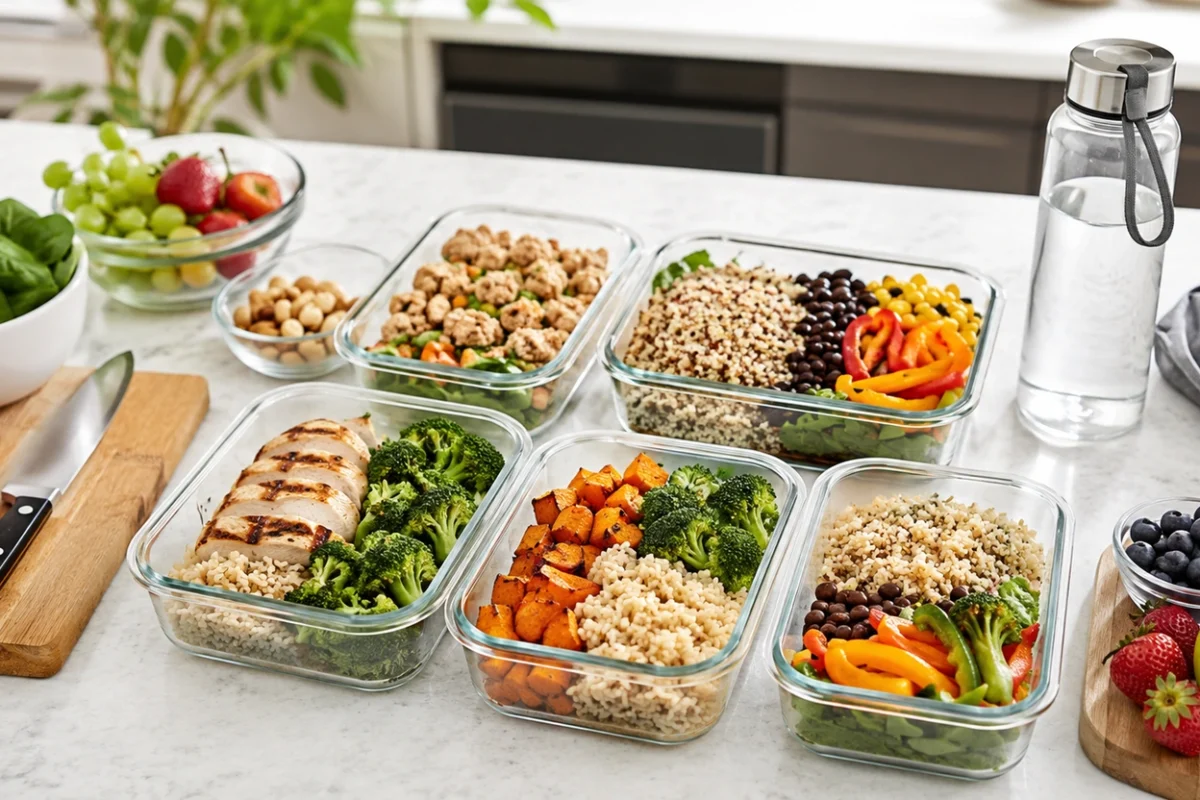
Healthy meal prep is one of the simplest ways to make better food choices during a busy week. When meals are already planned, it becomes easier to eat balanced portions, include more nutrients, and avoid last-minute options that may not support your goals.
Meal prep does not mean eating boring food or the same meal every day. It can be flexible, colorful, affordable, and enjoyable. The goal is to prepare ingredients or meals in advance so your routine feels easier.
For weight management and daily energy, meal prep should focus on protein, fiber-rich carbohydrates, healthy fats, vegetables, fruits, and hydration. These elements help create meals that are satisfying and practical.
This guide shares healthy meal prep ideas, product tips, and simple routines that can support balanced eating throughout the week.
Why meal prep helps with weight management
Meal prep supports weight management because it reduces decision fatigue. When you are hungry and busy, it is easier to choose fast food, sugary snacks, or large portions. Prepared meals make healthy choices more convenient.
Planning ahead also helps with portion awareness. You do not need to count every calorie to benefit from meal prep. Simply organizing meals into containers can help you see if your plate includes protein, vegetables, carbohydrates, and healthy fats.
Meal prep can also reduce emotional eating caused by stress or lack of structure. When your lunch, snacks, and water are ready, you feel more prepared and less dependent on impulse choices.
Another benefit is consistency. Healthy weight management depends on repeated habits, not perfect meals. Preparing food in advance makes it easier to repeat balanced choices most days.
What a balanced meal prep should include
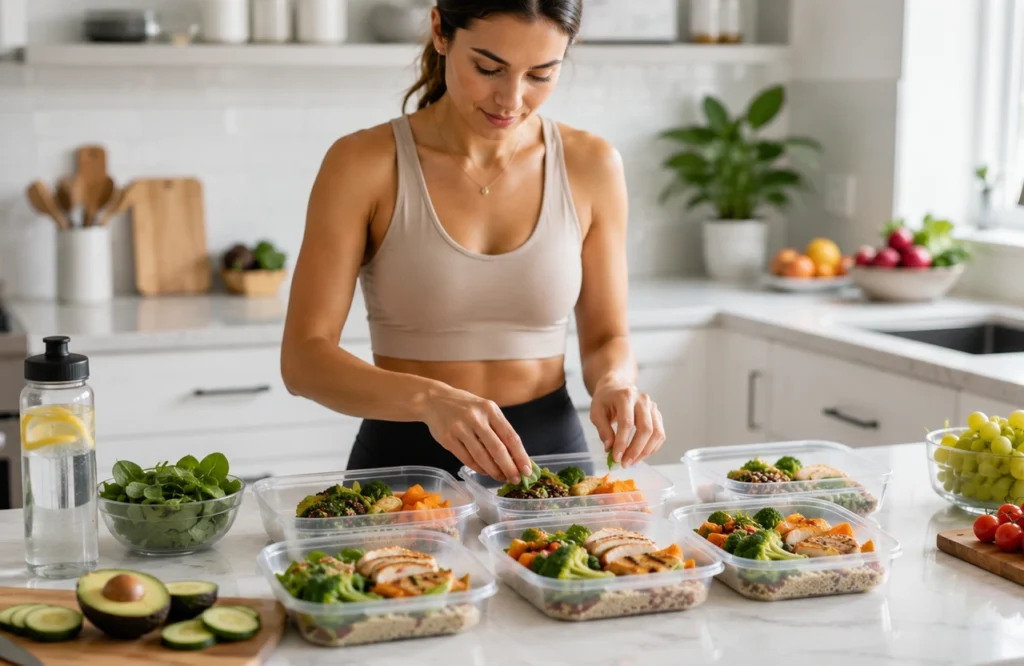
A balanced meal prep should include foods that support fullness, energy, and nutrition. The easiest method is to build each meal around four parts: protein, vegetables, carbohydrates, and healthy fats.
Protein helps support satiety and muscle maintenance. Good options include chicken, turkey, fish, eggs, Greek yogurt, tofu, tempeh, beans, lentils, cottage cheese, and lean beef.
Vegetables add fiber, volume, vitamins, minerals, and color. Roasted broccoli, carrots, zucchini, peppers, spinach, kale, green beans, and salad greens are practical choices.
Carbohydrates provide energy. Choose fiber-rich options such as brown rice, quinoa, oats, sweet potatoes, whole-grain pasta, beans, lentils, or whole-grain wraps.
Healthy fats make meals more satisfying. Add avocado, olive oil, nuts, seeds, hummus, tahini, or nut butter in moderate amounts.
A simple plate could include grilled chicken, quinoa, roasted vegetables, and avocado. Another option could include tofu, brown rice, broccoli, and sesame dressing.
Breakfast meal prep ideas
Breakfast meal prep can save time and help you begin the day with steady energy. Many people skip breakfast because mornings are rushed, but prepared options make it easier.
Overnight oats are one of the easiest choices. Combine oats, milk or yogurt, chia seeds, fruit, and a small amount of nut butter. Store in jars for quick breakfasts.
Greek yogurt bowls are another practical option. Prepare containers with yogurt, berries, nuts, and granola. Keep crunchy toppings separate until serving.
Egg muffins can be made with eggs, vegetables, cheese, and lean protein. Bake them in a muffin tin and store in the refrigerator for several days.
Protein smoothies can also be prepped ahead. Freeze fruit, spinach, and other ingredients in bags. In the morning, blend with water, milk, or protein powder.
Good breakfast meal prep products include jars, reusable containers, protein powder, chia seeds, oats, nut butter, and insulated cups.
Lunch meal prep ideas
Lunch is one of the best meals to prep because it often happens during work, school, or errands. A prepared lunch can help you avoid expensive or unbalanced options.
Grain bowls are flexible and easy. Start with quinoa, brown rice, or farro. Add protein, vegetables, sauce, and healthy fats. Change the seasoning to avoid boredom.
Salad jars can also work well. Place dressing at the bottom, then add firm vegetables, protein, grains, and greens on top. This keeps the salad fresher until lunchtime.
Wraps are another practical option. Use whole-grain tortillas with turkey, hummus, grilled chicken, tofu, vegetables, or avocado. Wrap tightly and store properly.
Soup and chili can be excellent for meal prep. Lentil soup, chicken vegetable soup, turkey chili, or bean chili can be made in large batches and frozen.
Choose containers that close well and fit your portions. Divided meal prep containers can help separate grains, protein, and vegetables.
Dinner meal prep ideas
Dinner meal prep can make evenings calmer. After a long day, having ingredients ready can reduce the temptation to order takeout.
Sheet pan meals are simple. Roast chicken, salmon, tofu, or turkey meatballs with vegetables and sweet potatoes. Season everything and bake together.
Stir-fry meals are quick when ingredients are prepared. Chop vegetables, cook protein, and keep cooked rice or noodles ready. Add sauce only when reheating.
Slow cooker meals are useful for busy schedules. Chicken stew, lentil curry, turkey chili, and vegetable soups can cook with little effort.
You can also prep ingredients instead of full meals. Wash greens, chop vegetables, cook grains, and marinate protein. This gives you flexibility while still saving time.
Dinner meal prep should feel realistic. If you dislike eating reheated meals, prep components and assemble fresh plates at night.
Healthy snacks for energy
Snacks can support energy when they include protein, fiber, or healthy fats. They can also prevent extreme hunger between meals.
Good snack ideas include boiled eggs, Greek yogurt, cottage cheese, fruit with nut butter, hummus with vegetables, roasted chickpeas, nuts, protein bars, or whole-grain crackers.
Protein bars can be convenient, but read labels. Look for reasonable sugar levels, enough protein, and ingredients that fit your goals.
Portioning snacks in advance can help. Divide nuts, fruit, crackers, or trail mix into small containers or bags. This makes serving sizes easier to manage.
Keep snacks visible and accessible. Store healthy options at work, in your bag, or in the refrigerator so you are prepared when hunger appears.
Meal prep products that make the routine easier
The right products can make meal prep faster and more organized. You do not need many tools, but a few essentials can help.
Meal prep containers are the first item. Choose containers that are microwave-safe, leak-resistant, and easy to stack. Glass containers are durable, while lightweight plastic containers may be better for travel.
A good water bottle supports hydration throughout the day. Some people drink more when they use a bottle with time markers.
A food scale can help if you want more accurate portions, but it is optional. Measuring cups and spoons may be enough for beginners.
Other helpful products include a blender, slow cooker, cutting board, sharp knife, lunch bag, sauce containers, and reusable snack bags.
Nutrition products can also support the routine. Protein powder, protein bars, electrolyte drinks, fiber supplements, and healthy pantry staples can make balanced choices easier.
Common meal prep mistakes to avoid
One common mistake is preparing too much food. If you cook more than you can eat, food may go to waste. Start with three or four meals instead of prepping for the entire week.
Another mistake is making meals too plain. If food tastes boring, you are less likely to eat it. Use herbs, spices, sauces, citrus, garlic, and different textures.
Ignoring food safety is also a problem. Store meals in sealed containers and refrigerate them promptly. Freeze meals that will not be eaten within a few days.
Some people forget variety. Eating the same lunch every day may work for one week but become tiring later. Change sauces, proteins, vegetables, or grains to keep meals interesting.
Another mistake is skipping snacks. If your meals are too far apart, hunger may lead to less balanced choices later.
Simple weekly meal prep plan
A simple weekly plan can make meal prep less overwhelming. Choose one protein, one grain, two vegetables, one breakfast option, and two snacks.
For example:
- Protein: grilled chicken or tofu
- Grain: quinoa or brown rice
- Vegetables: roasted broccoli and peppers
- Breakfast: overnight oats
- Snacks: Greek yogurt and fruit with nuts
Prepare the ingredients on one day and store them separately. During the week, combine them in different ways.
You can make bowls, wraps, salads, or quick dinners from the same ingredients. This approach saves time while keeping meals flexible.
Recommended meal prep essentials
A strong meal prep routine can include practical tools and nutrition products that support consistency.
Start with quality containers, a reusable water bottle, a lunch bag, and simple kitchen tools. Add protein powder or healthy snack products if they help your schedule.
A basic meal prep shopping list may include:
- Lean protein or plant-based protein
- Whole grains or starchy vegetables
- Fresh or frozen vegetables
- Fruit
- Nuts, seeds, or avocado
- Greek yogurt or dairy-free alternatives
- Healthy sauces and seasonings
- Water or electrolyte products for active days
Healthy meal prep can support weight management and energy by making balanced choices easier. Focus on realistic meals, simple ingredients, good containers, and products that help your routine feel practical.
Explore meal prep containers, protein powders, healthy snacks, reusable water bottles, electrolyte products, and kitchen tools to build a routine that supports balanced eating, daily energy, and long-term wellness.