Hydration is one of the simplest parts of a healthy lifestyle, but many people still struggle to drink enough fluids during the day. Busy schedules, workouts, hot weather, travel, caffeine, and long hours at work can make hydration harder to maintain.
Water should always be the foundation of hydration. However, some supplements can support a daily wellness routine, especially when your body loses fluids through sweat or when you need a more practical way to stay consistent.
Hydration supplements are not magic products. They should not replace water, balanced meals, or professional health advice. Still, electrolyte powders, mineral blends, vitamin drinks, and hydration tablets can make your routine easier when used wisely.
This guide explains the best supplements for hydration and daily wellness, how they work, and how to choose products that fit your lifestyle.
Why hydration matters for daily wellness
Your body depends on water for many essential functions. Fluids help regulate temperature, support digestion, transport nutrients, and keep your body working throughout the day.
When you do not drink enough fluids, you may feel tired, unfocused, sluggish, or less motivated. Your skin may also look dull or tired. While water alone does not replace skincare, hydration can support your overall appearance and comfort.
Hydration becomes especially important during exercise, hot weather, long flights, outdoor work, illness, or days with high caffeine intake. In these situations, your body may lose more fluid than usual.
Daily hydration is not only about drinking water once. It is about creating habits. Keeping a water bottle nearby, eating water-rich foods, and using hydration supplements when appropriate can help make the process easier.
What hydration supplements are
Hydration supplements are products designed to support fluid balance. They often come as powders, tablets, capsules, ready-to-drink beverages, or liquid drops.
Many hydration products contain electrolytes. Electrolytes are minerals that help support normal fluid balance and muscle function. Common electrolytes include sodium, potassium, magnesium, calcium, and chloride.
Some formulas also include vitamins, amino acids, or small amounts of carbohydrates. These additions may support taste, convenience, or specific goals such as workout recovery or daily wellness.
The best hydration supplement depends on your lifestyle. A person who sweats heavily during workouts may need a different product than someone who wants a light daily drink with minerals and flavor.
Electrolyte powders for active days
Electrolyte powders are among the most popular hydration supplements. They are easy to mix with water and can be used before, during, or after physical activity.
These products are especially useful when you sweat, exercise in heat, spend time outdoors, or need to replace minerals lost through fluid loss. They can also make water more appealing because many formulas are flavored.
Look for electrolyte powders with clear labels. The product should show the amount of sodium, potassium, magnesium, and other minerals per serving.
Some electrolyte powders include sugar, while others are sugar-free. Sugar is not always bad, especially during long endurance activity, but it may not be necessary for everyday use. Choose based on your goals.
For daily wellness, a light electrolyte formula may be enough. For long workouts or hot climates, a stronger electrolyte product may be more appropriate.
Hydration tablets for convenience
Hydration tablets are practical for travel, work, gym bags, and busy routines. You simply drop a tablet into water and wait for it to dissolve.
They usually contain electrolytes and flavor. Some also include vitamins or caffeine, so it is important to read the label before using them.
Hydration tablets can help people who get bored with plain water. The flavor may encourage more frequent drinking, which supports consistency.
They are also easy to carry. Unlike large tubs of powder, tablets can fit in a purse, desk drawer, backpack, or car.
If you are watching sodium, sugar, or caffeine intake, compare products carefully. Not every hydration tablet is designed for the same purpose.
Magnesium for wellness support
Magnesium is an essential mineral involved in many processes in the body. It supports normal muscle function, nerve function, and energy metabolism.
Some hydration products include magnesium as part of an electrolyte blend. This can be useful for people who want mineral support in addition to fluids.
Magnesium is also found in foods such as nuts, seeds, legumes, whole grains, and leafy greens. Supplements may be helpful when dietary intake is low, but more is not always better.
Too much magnesium from supplements can cause digestive discomfort for some people. Start with a reasonable amount and follow product directions.
For hydration-focused products, magnesium works best as part of a balanced electrolyte formula rather than as the only ingredient.
Potassium and sodium balance
Sodium and potassium are two important electrolytes for fluid balance. They work together in the body and are often included in hydration supplements.
Sodium helps the body retain fluids during sweating or extended activity. This is why sports drinks and electrolyte powders often contain sodium.
Potassium supports normal muscle and nerve function. It is also found in foods such as bananas, potatoes, oranges, spinach, beans, and avocados.
For everyday hydration, you may not need a high-sodium product unless you sweat a lot or spend time in hot conditions. For heavy sweating, sodium becomes more important.
People with high blood pressure, kidney concerns, or specific medical conditions should be careful with electrolyte products and ask a qualified professional before using them regularly.
Vitamin drinks and wellness blends
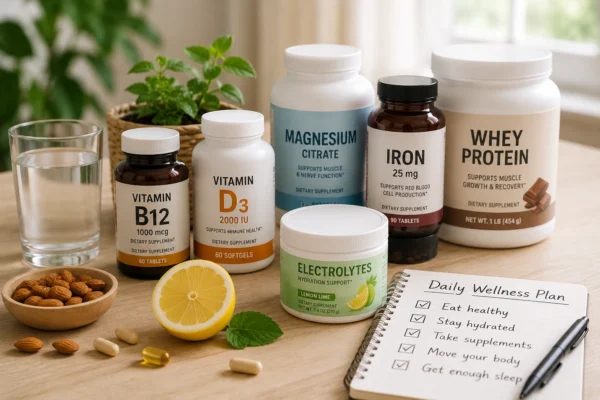
Some hydration supplements include vitamins such as vitamin C, B vitamins, or vitamin D. These products are often marketed as wellness drinks.
Vitamin-enhanced hydration products can be convenient, but they should not replace a balanced diet. They may help fill small gaps, but whole foods still provide fiber, antioxidants, and other nutrients.
B vitamins are often included in energy-focused hydration blends. Vitamin C is common in immune-support or antioxidant-style formulas. Some products include zinc or other minerals.
Check the amounts carefully. If you already take a multivitamin, you may not need another drink with the same nutrients. Stacking products can lead to more intake than you intended.
A simple formula with electrolytes may be better than a crowded blend if your main goal is hydration.
Protein and hydration after workouts
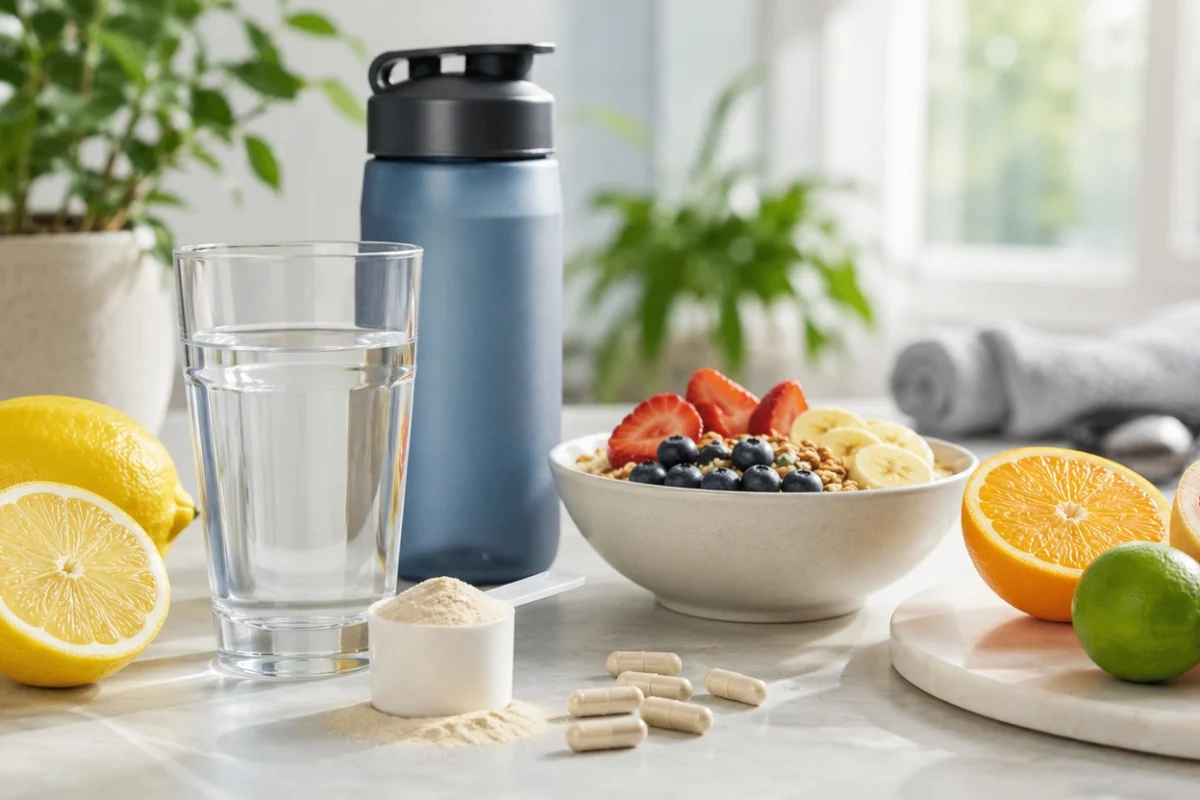
Protein powder is not a hydration supplement by itself, but it can support a post-workout routine when paired with fluids.
After exercise, your body may need water, electrolytes, carbohydrates, and protein depending on the type and length of activity. A protein shake made with water can be a convenient option.
Whey protein, plant-based protein, and collagen protein each serve different needs. For daily wellness, choose a product that fits your diet and digestion.
If your workout is short and light, water may be enough. If you train longer or sweat heavily, electrolytes may be useful alongside protein.
A practical post-workout routine may include water, electrolytes, and a protein-rich snack or shake.

How to choose a hydration supplement
Choosing a hydration supplement starts with your routine. Ask yourself why you want the product. Is it for workouts, hot weather, travel, daily wellness, or better water intake?
Next, check the label. Look for electrolyte amounts, sugar content, caffeine, artificial sweeteners, vitamins, and serving size.
If you want a daily product, choose something light and easy to tolerate. If you want workout support, choose a formula designed for sweat and activity.
Avoid products with extreme claims. A hydration supplement should support fluid balance and healthy habits. It should not promise instant energy, detox results, or dramatic transformation.
Taste matters too. If the product tastes unpleasant, you probably will not use it consistently. Choose flavors that make water easier to drink.
Also consider format. Powders are flexible, tablets are portable, and ready-to-drink options are convenient. The best format is the one that fits your daily routine.
Daily habits that improve hydration
Supplements can help, but hydration habits matter most. Start your day with water before coffee or tea. This creates a simple cue and helps you begin the morning with intention.
Keep a reusable bottle nearby. People often drink more when water is visible and easy to access.
Eat water-rich foods such as cucumber, watermelon, oranges, strawberries, lettuce, celery, tomatoes, and soups. These foods add fluids and nutrients.
Pay attention to sweat. If you exercise, work outdoors, or spend time in heat, increase fluid intake and consider electrolytes when needed.
Limit relying only on thirst. Some people do not feel thirsty until they are already under-hydrated. Build reminders into your routine if necessary.
Recommended hydration products for wellness
A practical hydration routine can include a few simple products.
Electrolyte powder is a good choice for workouts, hot weather, and active days. Hydration tablets are useful for travel and convenience. A reusable water bottle helps you drink consistently.
Magnesium-containing electrolyte blends may support general wellness, especially when paired with a balanced diet. Vitamin hydration drinks can be useful occasionally, but check labels to avoid unnecessary overlap.
A simple starter routine may include:
- Reusable water bottle
- Electrolyte powder for active days
- Hydration tablets for travel
- Magnesium blend, if appropriate
- Water-rich foods throughout the day
Hydration supplements can make healthy routines easier, but they work best when combined with water, balanced nutrition, sleep, movement, and daily consistency.
Explore electrolyte powders, hydration tablets, wellness blends, reusable water bottles, and healthy nutrition products to support hydration, energy, and everyday wellness.