
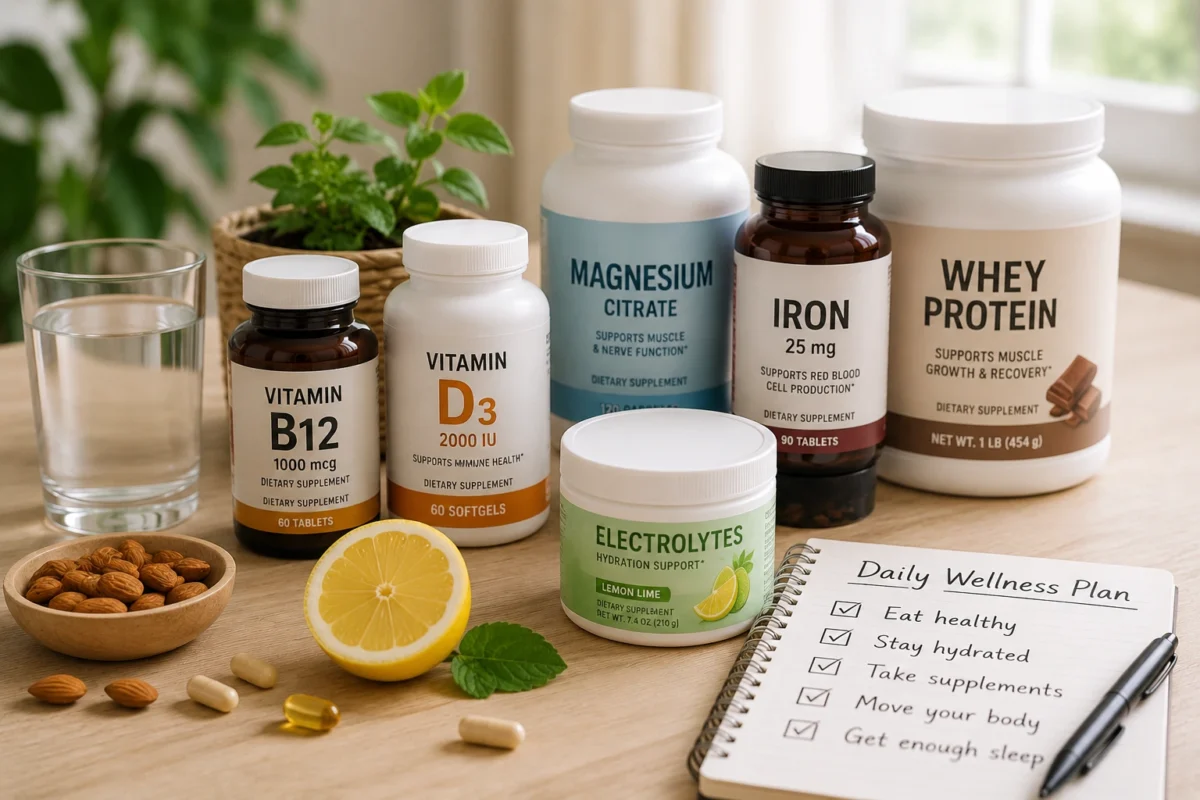
Feeling energized every day is not only about drinking more coffee. Your energy depends on sleep, hydration, nutrition, movement, stress levels, and whether your body gets the nutrients it needs.
Supplements can support a healthy routine, but they should not replace balanced meals or medical care. The best approach is to use them as part of a complete wellness plan, especially when your diet, lifestyle, or health professional suggests a specific need.
This guide explains beginner-friendly supplements often associated with energy and daily wellness. You will learn how vitamins, minerals, protein, electrolytes, and other products can fit into a practical routine without unrealistic promises.
Why energy levels depend on nutrition
Your body turns food into usable energy through many biological processes. Carbohydrates, protein, fats, vitamins, minerals, and water all play important roles in this system.
When your diet lacks key nutrients, your energy may feel lower. This does not mean every tired person needs supplements. Fatigue can come from poor sleep, stress, dehydration, low calorie intake, health conditions, medication effects, or nutrient deficiencies.
That is why supplements work best when they target a real need. A vitamin B12 supplement may be useful for someone with low B12 intake, but it will not automatically boost energy in a person who already gets enough B12.
A smart wellness routine starts with daily habits. Eat balanced meals, drink enough water, sleep consistently, and move your body. Then, use supplements to complement those habits when appropriate.
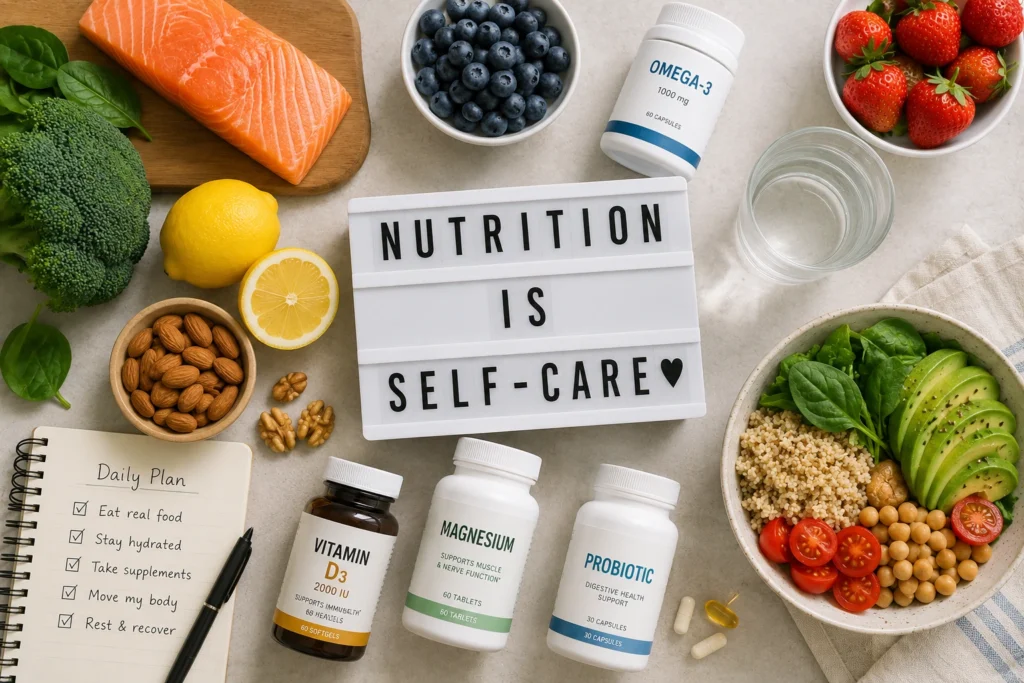
Vitamins and minerals that support daily energy
Vitamins and minerals do not provide energy in the same way calories do. Instead, they help your body use the energy from food and support normal functions related to muscles, nerves, blood, and metabolism.
Some nutrients are especially common in energy and wellness products. These include vitamin B12, vitamin D, magnesium, iron, and B-complex vitamins. Each one plays a different role, and the best choice depends on your diet and personal needs.
Vitamin B12
Vitamin B12 helps the body form red blood cells and supports nerve function. It is also involved in processes that help cells use energy from food.
People who follow vegan or mostly plant-based diets may need extra attention to B12 because it is naturally found mainly in animal foods. Older adults and people with certain digestive concerns may also have difficulty absorbing enough B12.
Many energy products include B12, but more is not always better. If you already get enough B12, taking extra may not make you feel more energized. It is better to choose B12 based on diet, lab results, or professional guidance.
Vitamin D
Vitamin D supports bone health, immune function, and overall wellness. The body can make vitamin D when skin is exposed to sunlight, but many people still have low levels due to limited sun exposure, age, lifestyle, or location.
Vitamin D is a fat-soluble nutrient, so it is often taken with a meal that contains fat. A supplement may be useful when intake or blood level is low, but high doses should be avoided unless recommended by a healthcare professional.
For daily wellness, vitamin D can be part of a broader routine that includes nutritious meals, safe sun habits, movement, and regular checkups.
Magnesium
Magnesium is involved in hundreds of processes in the body, including muscle and nerve function, blood glucose control, and energy production. It is found in foods such as nuts, seeds, legumes, whole grains, and leafy greens.
A magnesium supplement may be helpful for people who do not get enough from food. It is also popular in evening wellness routines because many people associate it with relaxation and muscle comfort.
Different forms of magnesium may feel different in the body. Start with a reasonable dose and avoid excessive intake from supplements.
Iron
Iron helps red blood cells carry oxygen through the body. When iron levels are low, a person may feel tired, weak, or short of breath. However, iron is not a supplement to take casually.
Too much iron can be harmful, so it is best to use iron supplements only when there is a confirmed need or professional recommendation. People with heavy menstrual periods, pregnancy, certain diets, or diagnosed deficiency may need extra attention to iron status.
If low energy is persistent, testing may be more useful than guessing. A healthcare professional can help determine whether iron is part of the problem.
Natural supplements for an active lifestyle
Some wellness products support energy indirectly by helping with hydration, protein intake, or exercise recovery. These options may be useful even when you do not need a specific vitamin or mineral.
Electrolyte powders can help replace minerals lost through sweat, especially during hot weather, workouts, or long active days. Look for products with clear labels and avoid formulas with unnecessary sugar if that does not fit your goals.
Protein powders can support daily nutrition when meals are rushed or protein intake is low. Whey, plant-based protein, and collagen protein serve different needs. For general wellness, choose a product that fits your diet, taste, and digestion.
Greens powders are popular for people who want a convenient way to add plant-based nutrients to their routine. They should not replace vegetables, but they can complement a diet that already includes whole foods.
Caffeine products, such as pre-workout blends or energy drinks, can increase alertness temporarily. Use them carefully. Too much caffeine may affect sleep, heart rate, anxiety, or hydration habits, which can make energy worse later.
How to choose a quality supplement
A good supplement should be easy to understand. Before buying, read the label, check the serving size, review the ingredient list, and avoid products that promise extreme results.
Look for brands that explain what each ingredient does. Clear labeling is especially important for formulas with many vitamins, herbs, stimulants, or proprietary blends. If a product hides exact amounts, it becomes harder to compare.
Choose supplements that match your real goal. If you want basic daily support, a multivitamin may be enough. If you train often, protein or electrolytes may fit better. If you follow a plant-based diet, B12 may deserve more attention.
Also consider third-party testing when available. Independent testing can help confirm that a product contains what the label says and meets quality standards.
Avoid stacking several supplements with overlapping ingredients. For example, a multivitamin, energy blend, and B-complex product may all contain similar nutrients. Taking them together can increase your intake beyond what you intended.
If you are pregnant, nursing, taking medication, managing a health condition, or buying supplements for a child, ask a qualified professional first.
Daily habits that improve energy naturally
Supplements can help support a routine, but daily habits remain the foundation of real wellness. Start with sleep. A consistent sleep schedule can improve focus, mood, appetite, and energy.
Hydration is also important. Even mild dehydration can make you feel tired or less focused. Keep water nearby and consider electrolytes when you sweat heavily or spend time in heat.
Balanced meals help stabilize energy. Try to include protein, fiber-rich carbohydrates, healthy fats, and colorful foods. This combination can support satiety and help avoid sharp energy crashes.
Movement also matters. A short walk, stretching session, or light workout can improve circulation and help you feel more alert. You do not need an extreme fitness routine to benefit.
Stress management is another key part of daily wellness. Breathing exercises, sunlight, journaling, relaxing music, or a simple evening routine can help your body shift out of constant tension.
Recommended products for daily energy support
For a simple wellness routine, start with products that match common daily needs. A basic multivitamin can help fill small nutrient gaps, especially when your diet is inconsistent.
Vitamin B12 may be useful for people who eat little or no animal food. Vitamin D can be helpful for those with low sun exposure or low blood levels. Magnesium may support general wellness, especially when food intake is low in magnesium-rich foods.
Protein powder can make balanced nutrition easier on busy days. Add it to smoothies, oats, or shakes when you need a convenient option. Electrolyte powder can be useful for workouts, hot days, travel, or long periods of activity.
A practical starter stack may include:
- A quality multivitamin for daily coverage
- Vitamin D, if your intake or blood level is low
- Vitamin B12, especially for plant-based diets
- Magnesium for general wellness support
- Protein powder for convenient nutrition
- Electrolytes for hydration during active days
Choose one or two products first instead of buying everything at once. Notice how they fit your routine, digestion, budget, and goals.
The best supplements for energy and daily wellness are the ones that support your real lifestyle. They should complement good nutrition, hydration, movement, sleep, and stress management.