
Healthy weight management is not about extreme diets, unrealistic goals, or quick fixes. It is about building daily habits that support your body, your energy, and your long-term wellness.
Many people start a weight management plan with motivation, but they choose routines that are too restrictive. After a few days or weeks, the plan becomes hard to maintain. A better approach is to create simple habits that fit your schedule, food preferences, budget, and lifestyle.
The goal is consistency, not perfection. Balanced meals, regular movement, hydration, sleep, stress control, and supportive products can make the process easier and more realistic.
This guide shares practical weight management tips that can help you build a healthier routine without feeling overwhelmed. It also explains how products such as protein powder, fiber supplements, water bottles, healthy snacks, and meal planning tools can support your journey.
What healthy weight management really means
Healthy weight management is the process of reaching or maintaining a weight that supports your overall well-being. It should include nutrition, physical activity, emotional balance, and realistic lifestyle choices.
A healthy routine should not make you feel constantly hungry, tired, or guilty. It should help you feel more in control of your habits while still allowing flexibility. Food is not only fuel. It is also part of culture, comfort, social life, and personal enjoyment.
Many quick weight loss plans focus only on restriction. They may reduce calories aggressively, remove entire food groups, or promise dramatic results. These methods can be difficult to maintain and may lead to frustration.
A balanced routine works differently. It encourages better choices most of the time, while leaving room for real life. You can still enjoy meals with family, snacks, restaurants, and special occasions.
Healthy weight management also respects individual differences. Age, activity level, sleep, hormones, medication, stress, and health conditions can influence results. That is why a sustainable plan should focus on habits, not comparison.
Simple nutrition habits that support your goals
Nutrition plays a major role in weight management, but it does not need to be complicated. Start with small improvements that you can repeat daily.
One useful habit is building balanced meals. Try to include protein, fiber-rich carbohydrates, healthy fats, and colorful fruits or vegetables. This combination can support fullness and help you avoid energy crashes.
Protein is especially helpful because it supports satiety and muscle maintenance. Good sources include eggs, Greek yogurt, fish, chicken, lean meats, beans, lentils, tofu, cottage cheese, and protein powders.
Fiber also matters. It helps you feel fuller and supports digestive health. You can get fiber from vegetables, fruits, oats, beans, lentils, whole grains, chia seeds, and fiber supplements when needed.
Another helpful habit is planning snacks. Many people struggle when they get too hungry between meals. Keeping healthy snacks available can prevent impulsive choices. Options include nuts, protein bars, fruit, yogurt, hummus, boiled eggs, or whole-grain crackers.
Portion awareness is also important. You do not need to weigh every meal, but learning basic portions can help. Use smaller plates, serve food mindfully, and slow down while eating.
Hydration should not be ignored. Thirst can sometimes feel like hunger. Keeping a reusable water bottle nearby can make drinking water easier throughout the day.
How movement helps with long-term results
Physical activity supports weight management in several ways. It helps your body use energy, supports muscle, improves mood, and can make daily routines feel more active.
You do not need to start with intense workouts. Walking, cycling, swimming, stretching, dancing, strength training, and short home workouts can all help. The best exercise is the one you can repeat consistently.
Strength training is especially useful because muscle tissue supports daily energy use. Simple exercises such as squats, lunges, push-ups, rows, and resistance band movements can be done at home or in a gym.
Cardio activities can improve endurance and support heart health. Walking is one of the easiest options for beginners. A daily walk after meals may also help create structure in your routine.
Movement should not feel like punishment for eating. It should be part of caring for your body. Choose activities that match your fitness level and make you feel better afterward.
Small changes also count. Take the stairs, park farther away, stretch during breaks, or walk while taking phone calls. These small movements can increase your daily activity without requiring a strict workout schedule.
Products that can support a balanced routine
Wellness products are not magic solutions, but they can make healthy habits more convenient. The right products can help you stay organized, prepare better meals, drink more water, or meet nutrition goals.
Protein powder is one of the most practical options for busy routines. It can be added to smoothies, oats, yogurt, or shakes. It may help when you struggle to get enough protein from meals.
Fiber supplements may support fullness and digestive regularity when your diet is low in fiber. They should be introduced gradually and taken with enough water.
Healthy snacks can also help. Protein bars, nut mixes, roasted chickpeas, low-sugar granola, and portioned snack packs can reduce the need for last-minute choices.
A good water bottle can support hydration by making water easy to carry. Some people drink more when they use bottles with time markers or larger capacity.
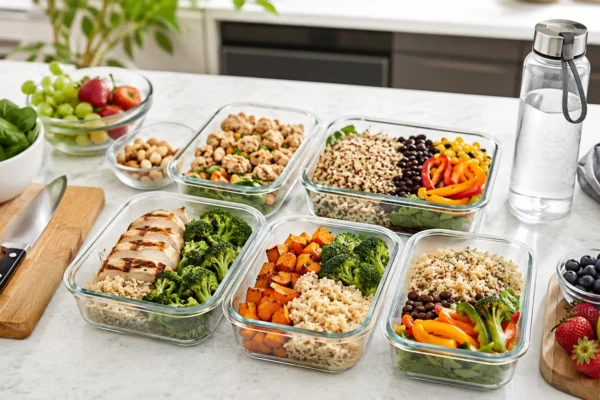
Meal prep containers can help you plan lunches, organize portions, and avoid relying on fast food. Fitness accessories such as resistance bands, yoga mats, walking shoes, and workout trackers can make activity easier.
When choosing products, look for quality, clear labels, realistic claims, and options that match your lifestyle. Avoid products that promise effortless fat loss or instant transformation.
Mistakes that make weight management harder
One common mistake is trying to change everything at once. A new diet, workout plan, supplement stack, and schedule can quickly become overwhelming.
Start with one or two habits. For example, drink more water and add protein to breakfast. Once these feel natural, add another step.
Another mistake is skipping meals to “save calories.” This may work for some people, but for many others it leads to intense hunger, overeating later, and low energy.
Relying only on the scale can also be discouraging. Weight changes naturally from water, digestion, hormones, sodium intake, and exercise. Progress may also show through better energy, improved strength, better sleep, clothes fitting differently, or more consistent habits.
Many people also underestimate liquid calories. Sugary drinks, flavored coffees, juices, and alcoholic beverages can add up quickly. You do not need to remove them completely, but awareness helps.
Another problem is ignoring sleep. Poor sleep can affect hunger, cravings, motivation, and recovery. A weight management routine becomes harder when your body is tired.
Finally, avoid comparing your progress to someone else’s. Your routine should match your body, health, schedule, and goals.
How to stay consistent without extreme diets
Consistency becomes easier when your plan feels realistic. Choose meals you enjoy, workouts you can repeat, and products that simplify your routine.
Create a weekly structure instead of a strict rulebook. Plan a few balanced meals, keep simple snacks available, schedule movement, and prepare water for the day.
Use the “add more” mindset. Add more protein, more vegetables, more water, more steps, and more sleep before focusing only on what to remove. This approach feels more positive and sustainable.
Keep your environment supportive. Place fruit where you can see it, keep protein snacks in your bag, store water near your desk, and prepare workout clothes in advance.
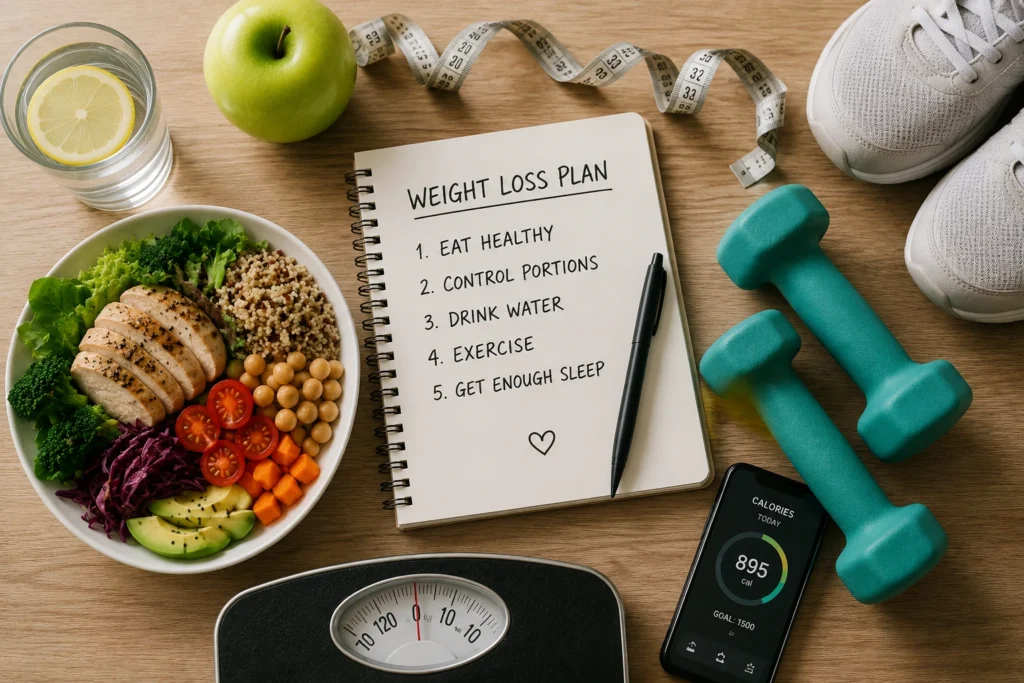
Track habits if it helps you stay focused. You can use a notebook, app, calendar, or simple checklist. Track water, protein, steps, workouts, or sleep instead of only tracking weight.
Allow flexibility. One meal will not ruin your progress. One missed workout does not erase your effort. Return to your routine at the next opportunity.
Recommended products for weight management support
A practical weight management routine can include products that save time and support daily consistency.
Protein powder can help you prepare quick breakfasts, post-workout shakes, or high-protein snacks. Choose whey, plant-based, or collagen protein based on your dietary preferences and goals.
A fiber supplement may be useful if you struggle to eat enough fiber-rich foods. Start slowly and drink enough water.
Healthy snack options can help you stay prepared. Look for products with protein, fiber, and simple ingredient lists. Avoid snacks that make unrealistic claims.
A reusable water bottle keeps hydration visible and convenient during work, travel, workouts, or errands. Meal prep containers can support balanced lunches and portion awareness.
Resistance bands, yoga mats, and walking shoes can make movement more accessible. You do not need a full home gym to begin.
Healthy weight management works best when your routine supports your real life. Start with balanced meals, regular movement, hydration, sleep, and a few helpful products that make consistency easier.
Small steps can become strong habits when repeated often. Choose products and routines that help you feel supported, not pressured. A healthier lifestyle should feel practical, flexible, and possible to maintain.