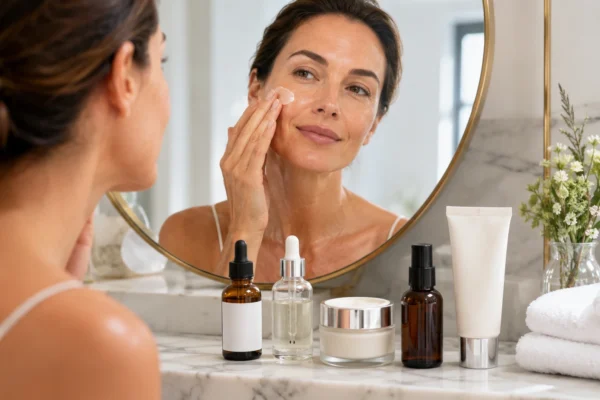
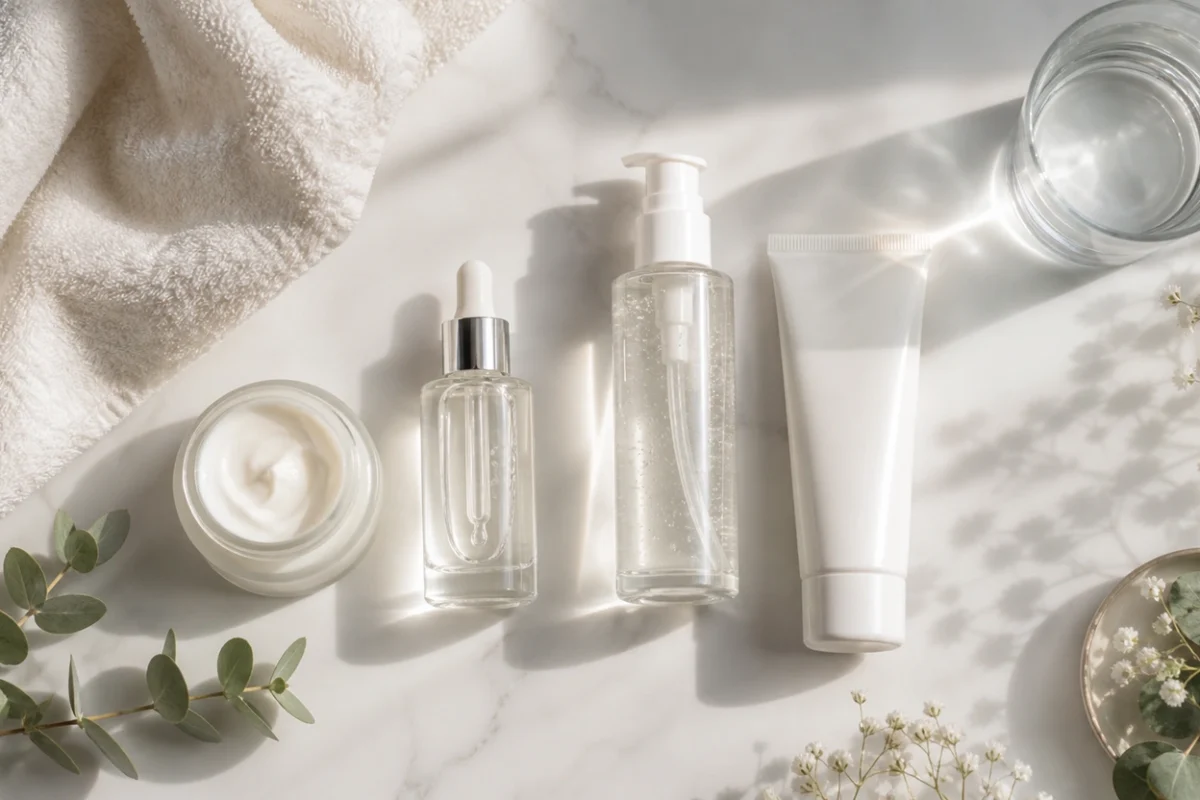
Dry skin can feel tight, rough, flaky, or uncomfortable, especially after cleansing, cold weather, sun exposure, or long hours in air-conditioned spaces. A good skincare routine can help your skin feel softer, smoother, and more comfortable without requiring too many products.
The best routine for dry skin focuses on gentle cleansing, deep hydration, barrier support, and daily sun protection. Instead of using harsh formulas or complicated steps, choose products that help your skin hold moisture and reduce the feeling of dryness.
Dry skin needs consistency. One rich cream used once in a while will not work as well as a simple routine repeated every morning and evening. With the right cleanser, serum, moisturizer, and sunscreen, you can support a healthier-looking complexion over time.
Why dry skin needs a specific routine
Dry skin usually produces less natural oil or loses moisture more easily. This can make the skin barrier weaker and more reactive. When the barrier is not well supported, your skin may feel tight, itchy, dull, rough, or sensitive.
A routine for dry skin should avoid stripping products. Strong cleansers, frequent exfoliation, hot water, and drying ingredients may make the problem worse. Even if your skin feels clean at first, it may become uncomfortable later.
The goal is to protect moisture at every step. A gentle cleanser removes dirt without leaving the skin tight. A hydrating serum adds water-attracting ingredients. A moisturizer helps seal hydration. Sunscreen protects the skin during the day.

Step 1: Choose a gentle cleanser
Cleansing is important, but dry skin needs a mild approach. The cleanser should remove sweat, sunscreen, makeup, and daily buildup without damaging the skin barrier.
Look for cream cleansers, lotion cleansers, cleansing milks, or hydrating gel cleansers. These textures often feel more comfortable than strong foaming products.
A good cleanser for dry skin should leave your face feeling clean but not tight. If your skin feels squeaky, rough, or irritated after washing, the product may be too harsh.
Useful ingredients in a dry skin cleanser include glycerin, aloe vera, ceramides, panthenol, and hyaluronic acid. These ingredients can help support comfort while cleansing.
In the morning, some people with dry skin prefer rinsing with water instead of using cleanser. At night, cleansing is more important because sunscreen, pollution, makeup, and oil can build up during the day.
If you wear makeup or water-resistant sunscreen, use a cleansing balm or oil first, then follow with a gentle cleanser. This double cleansing method can remove buildup without aggressive rubbing.
Step 2: Add hydration with a serum
After cleansing, a hydrating serum can help dry skin feel fresher and more comfortable. Serums are usually lightweight and designed to deliver concentrated ingredients before moisturizer.
Hyaluronic acid is one of the most popular options for dry skin. It helps attract water to the skin, creating a plumper and more hydrated appearance.
Glycerin is another strong hydration ingredient. It is simple, effective, and often found in serums, moisturizers, and cleansers.
Panthenol, also known as provitamin B5, can help the skin feel calmer and more comfortable. Aloe vera and allantoin are also useful for soothing dry or stressed skin.
Apply serum after cleansing while your skin is slightly damp. Then apply moisturizer to help seal in the hydration. This step is important because a serum alone may not be enough for dry skin.
You do not need many serums at once. One hydrating serum can be enough for a simple daily routine. If you want extra brightness, vitamin C can be used in the morning, but introduce it slowly if your skin is sensitive.
Step 3: Use a rich moisturizer
Moisturizer is the most important product in a dry skin routine. It helps reduce water loss, soften rough areas, and support the skin barrier.
For dry skin, creams usually work better than very light gels. A richer texture can create a protective layer and help the skin feel comfortable for longer.
Look for ingredients such as ceramides, glycerin, hyaluronic acid, squalane, shea butter, peptides, and panthenol. These ingredients can support hydration, softness, and barrier care.
Ceramides are especially helpful because they are naturally found in the skin barrier. A moisturizer with ceramides can help dry skin feel stronger and less reactive.
Squalane is a lightweight emollient that can soften the skin without feeling too heavy. Shea butter may be useful for very dry areas, especially at night.
Apply moisturizer twice a day, in the morning and evening. Use it after your serum. If your skin feels very dry, apply a slightly thicker layer at night.
Step 4: Protect your skin with sunscreen
Sunscreen is essential for every skin type, including dry skin. UV exposure can contribute to dark spots, fine lines, uneven tone, rough texture, and premature visible aging.
Choose a broad-spectrum sunscreen with SPF 30 or higher for daily use. If your skin is dry, look for moisturizing sunscreen formulas. These can protect the skin while adding comfort.
Apply sunscreen as the last step of your morning routine. Use it on your face, neck, and other exposed areas. Reapply when spending time outdoors, sweating, swimming, or staying near strong sunlight.
A dry skin morning routine may include cleanser or water rinse, hydrating serum, moisturizer, and sunscreen. This simple sequence gives your skin hydration and protection.
Ingredients that help dry skin
The right ingredients can make a dry skin routine more effective. You do not need every ingredient in one product, but it helps to know what to look for.
Hyaluronic acid helps attract water and can make dry skin look fresher. Glycerin supports hydration and is useful in many product types.
Ceramides support the skin barrier and help reduce the feeling of dryness. Panthenol can soothe and comfort the skin.
Squalane and shea butter help soften the skin. They are useful in moisturizers, especially when the skin feels rough or tight.
Colloidal oatmeal may be helpful for sensitive or uncomfortable dry skin. Aloe vera and allantoin can also support a calmer feel.
Avoid overusing strong exfoliating acids, drying alcohols, harsh scrubs, and fragranced products if your skin reacts easily. Dry skin often improves with a gentle, consistent routine.
Common mistakes to avoid
One common mistake is washing the face with hot water. Hot water may feel relaxing, but it can remove natural oils and increase dryness. Use lukewarm water instead.
Another mistake is skipping moisturizer after serum. Hydrating serums work best when sealed with a moisturizer. Without that layer, the skin may still feel dry.
Over-exfoliating is also a problem. Dry skin can look dull, so many people use scrubs or acids too often. This may cause redness, sensitivity, and more flaking. Gentle exfoliation once a week may be enough for many people.
Using too many active ingredients at once can irritate dry skin. Retinol, vitamin C, exfoliating acids, and acne treatments should be introduced carefully.
Skipping sunscreen can also make dry skin look older and uneven. Moisturizer helps comfort, but sunscreen protects your results during the day.
Simple morning and evening routine
A dry skin routine should be easy to repeat. Start with the basics and add products only when needed.
Morning routine:
- Rinse with water or use a gentle cleanser
- Apply hydrating serum
- Apply rich moisturizer
- Finish with broad-spectrum sunscreen
Evening routine:
- Remove makeup or sunscreen with balm or oil, if needed
- Cleanse with a gentle facial cleanser
- Apply hydrating serum
- Apply rich moisturizer
Weekly routine:
- Use a gentle exfoliant once, if your skin tolerates it
- Apply a hydrating mask when the skin feels extra dry
If your skin becomes irritated, simplify the routine. Use only gentle cleanser, moisturizer, and sunscreen until your skin feels comfortable again.
Recommended products for dry skin
A practical dry skin routine can start with four core products: gentle cleanser, hydrating serum, rich moisturizer, and sunscreen.
Choose a cleanser that says hydrating, gentle, creamy, or barrier-supporting. Avoid cleansers that leave your face tight after washing.
Choose a serum with hyaluronic acid, glycerin, panthenol, or aloe vera. It should feel comfortable and layer well under moisturizer.
Choose a moisturizer with ceramides, squalane, shea butter, glycerin, or peptides. For very dry skin, a night cream may provide extra comfort.
Choose a sunscreen that feels moisturizing and comfortable. A cream-based or tinted formula may work well if your skin dislikes lightweight gels.
A simple skincare routine for dry skin can help restore softness, reduce tightness, and support a healthier-looking complexion. Focus on gentle products, consistent hydration, barrier support, and daily sun protection.
Explore dry skin essentials such as creamy cleansers, hyaluronic acid serums, ceramide moisturizers, rich night creams, and moisturizing sunscreens to build a routine that feels comfortable every day.